
 Image 1 of 3
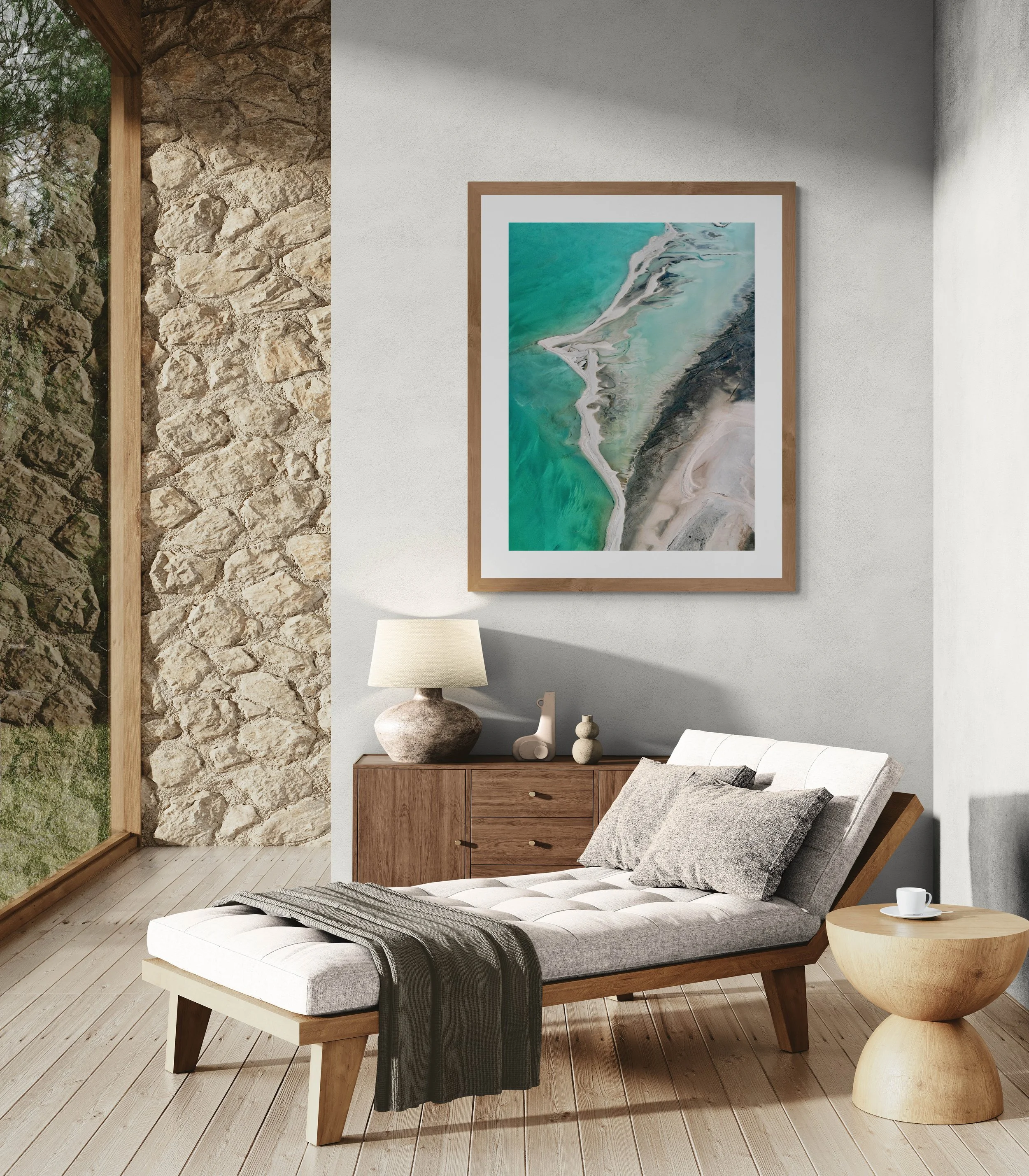 Image 2 of 3
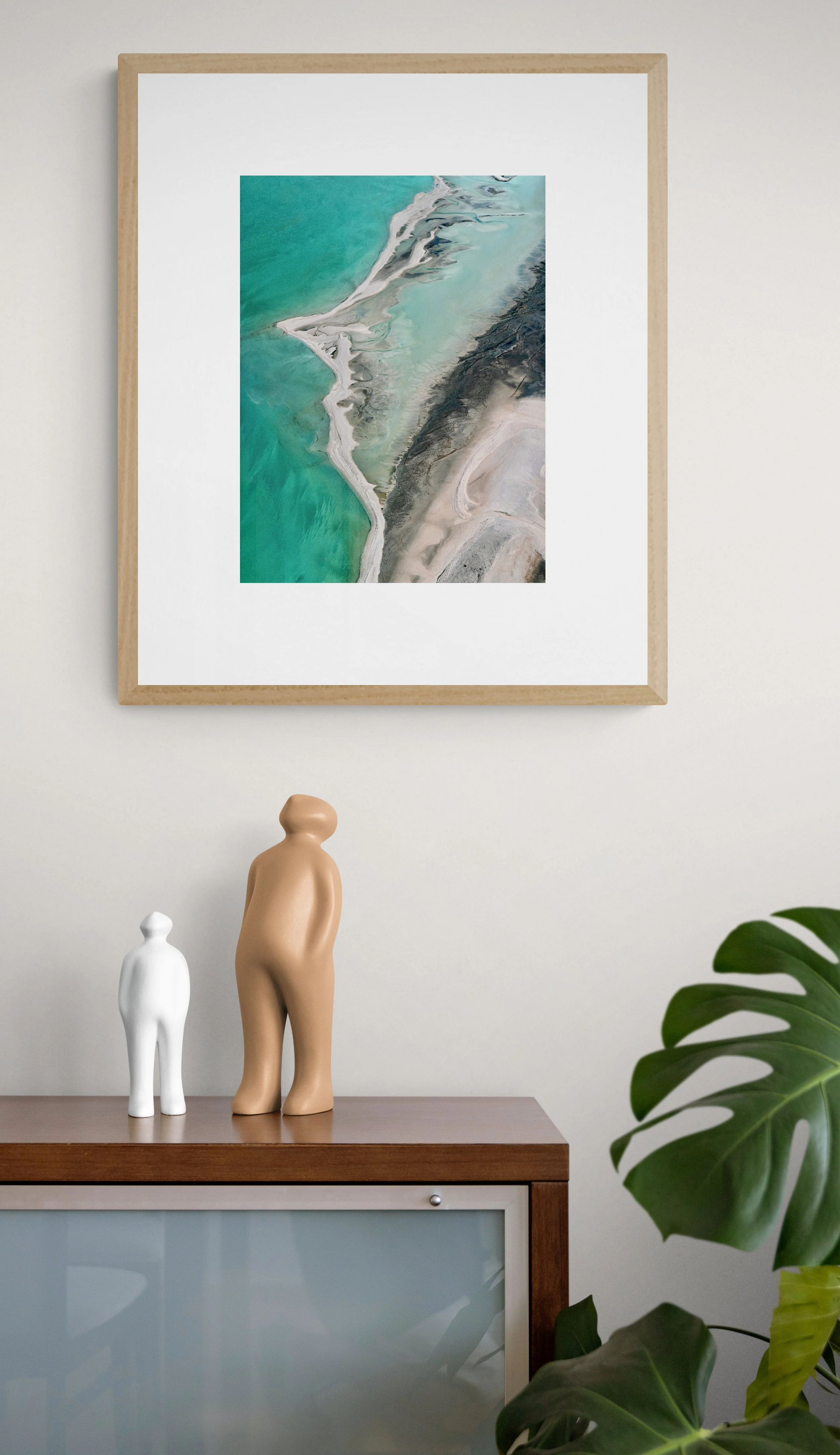 Image 3 of 3
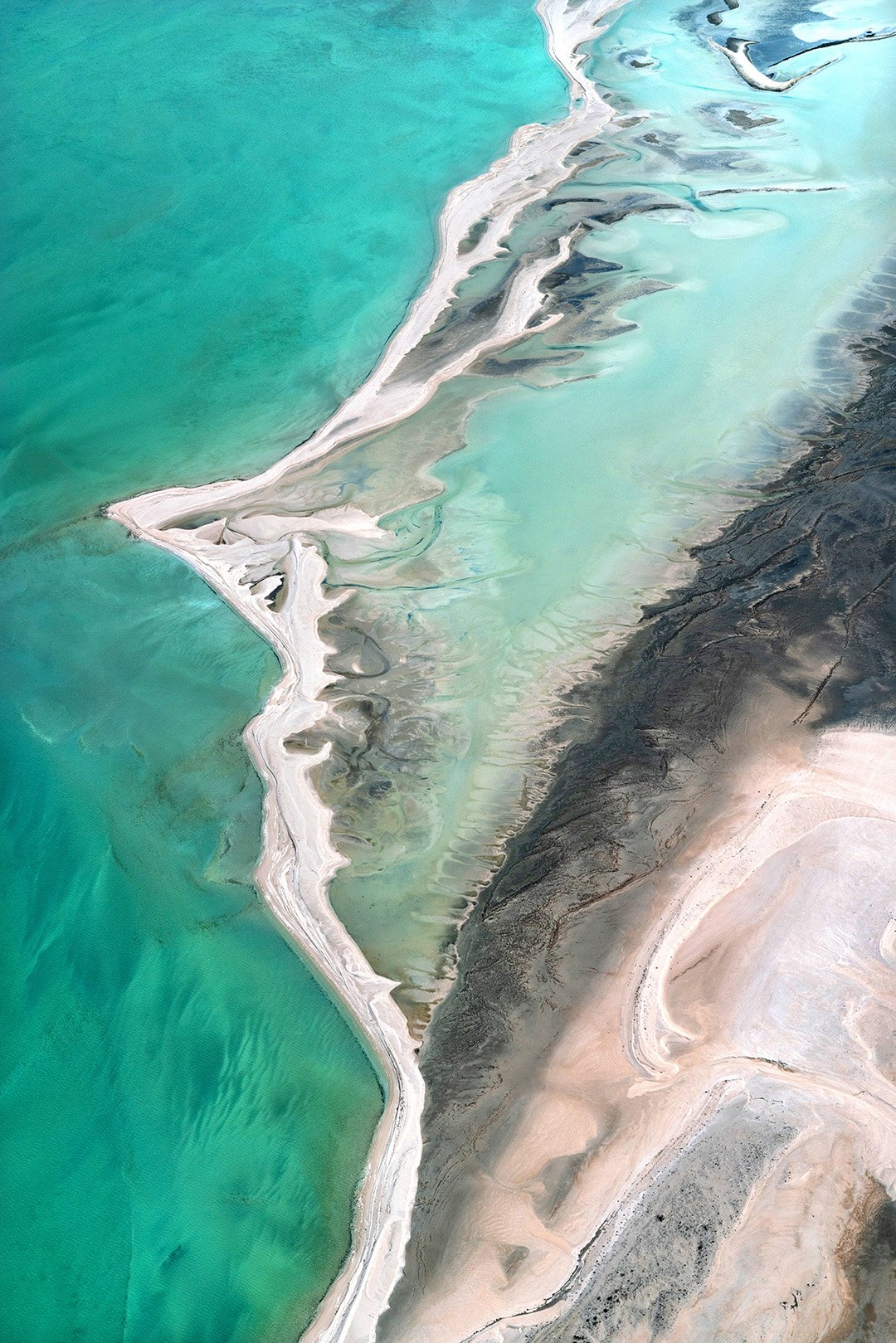
Winds and tides have sculpted the meeting of sand and sea, shaping a profile. Curving sandbars and shallow channels form the outline of a face, as if nature itself has sketched a quiet portrait along the water’s edge — a striking piece of natural artwork created by the meeting of land and sea.
The Shark Bay World Heritage Area is a 2.2-million-hectare, globally significant, and highly biodiverse coastal region in Western Australia, listed by UNESCO in 1991 for all four criteria for natural heritage values. This westernmost part of Australia has a unique combination of wildlife, flora and stunning scenery unlike that found anywhere else. Shark Bay is actually two bays sheltered by peninsulas and a long island. The local Malgana Aboriginal people know it as Gutharraguda, meaning “two waters”.
Winds and tides have sculpted the meeting of sand and sea, shaping a profile. Curving sandbars and shallow channels form the outline of a face, as if nature itself has sketched a quiet portrait along the water’s edge — a striking piece of natural artwork created by the meeting of land and sea.
The Shark Bay World Heritage Area is a 2.2-million-hectare, globally significant, and highly biodiverse coastal region in Western Australia, listed by UNESCO in 1991 for all four criteria for natural heritage values. This westernmost part of Australia has a unique combination of wildlife, flora and stunning scenery unlike that found anywhere else. Shark Bay is actually two bays sheltered by peninsulas and a long island. The local Malgana Aboriginal people know it as Gutharraguda, meaning “two waters”.